
Electric vehicles are no longer just a futuristic idea, they’re rapidly becoming part of Singapore’s roads. With more EVs hitting driveways, carparks, and expressways, understanding the types of chargers and charging standards has never been more important.
Whether you’re a new EV owner or considering your first electric vehicle, knowing how to charge efficiently can save time, reduce hassle, and even impact your charging price.
This guide is your cheat sheet for the different chargers and standards available in Singapore, so you can confidently navigate your EV journey and make the most of your car’s capabilities.
AC Charging for EVs — The Most Common Option for Everyday Use
AC, or Alternating Current, chargers supply electricity to your car’s onboard converter. While generally slower than DC charging, AC is perfect for overnight top-ups at home, workplace charging, or anywhere you can leave your EV for a few hours.
AC chargers in Singapore typically come in 7.4kW, 11kW, and 22kW options, with some AC fast chargers going up to 43kW. You’ll find them in HDB carparks, condominiums, shopping malls, and office buildings, making them the go-to option for daily commuting.
Hyundai’s EV lineup, including the IONIQ 9 and Hyundai KONA EV, is fully compatible with AC chargers, with their onboard systems optimised for up to 11kW.
Charging speeds and EV charging rates will vary by station and power level, giving drivers flexibility to balance speed and cost. Here’s how the different AC charging power levels break down:
• 7.4 kW (Home‑style wallbox): This is the most common home setup, ideal for overnight charging or long daytime parking at work. You’ll also see 7.4 kW units in some public carparks.
• 11 kW (Workplace & covered carparks): A step up that gives noticeably faster power. Hyundai models like the IONIQ 9 and KONA EV are optimised for 11 kW AC charging, letting you top up quickly and efficiently.
• 22 kW (High‑capacity AC): Often found in commercial sites, larger malls, and some residential complexes, a 22 kW type EV AC charger cuts down charging time even more while still feeding power through AC.
• 43 kW (AC fast chargers): At select public points, you’ll find AC chargers rated up to 43 kW. Locations include Republic Plaza, Capital Tower, Suntec City, Wisma, Shaw Centre, and more.
AC Chargers Use Case
AC charging suits daily use and longer parking sessions when time isn't an issue. It runs cooler, protecting your battery and extending its lifespan over time. DC charging uses high voltage for rapid charging but generates more heat. While handy for quick top-ups on the go, frequent use can shorten battery life.
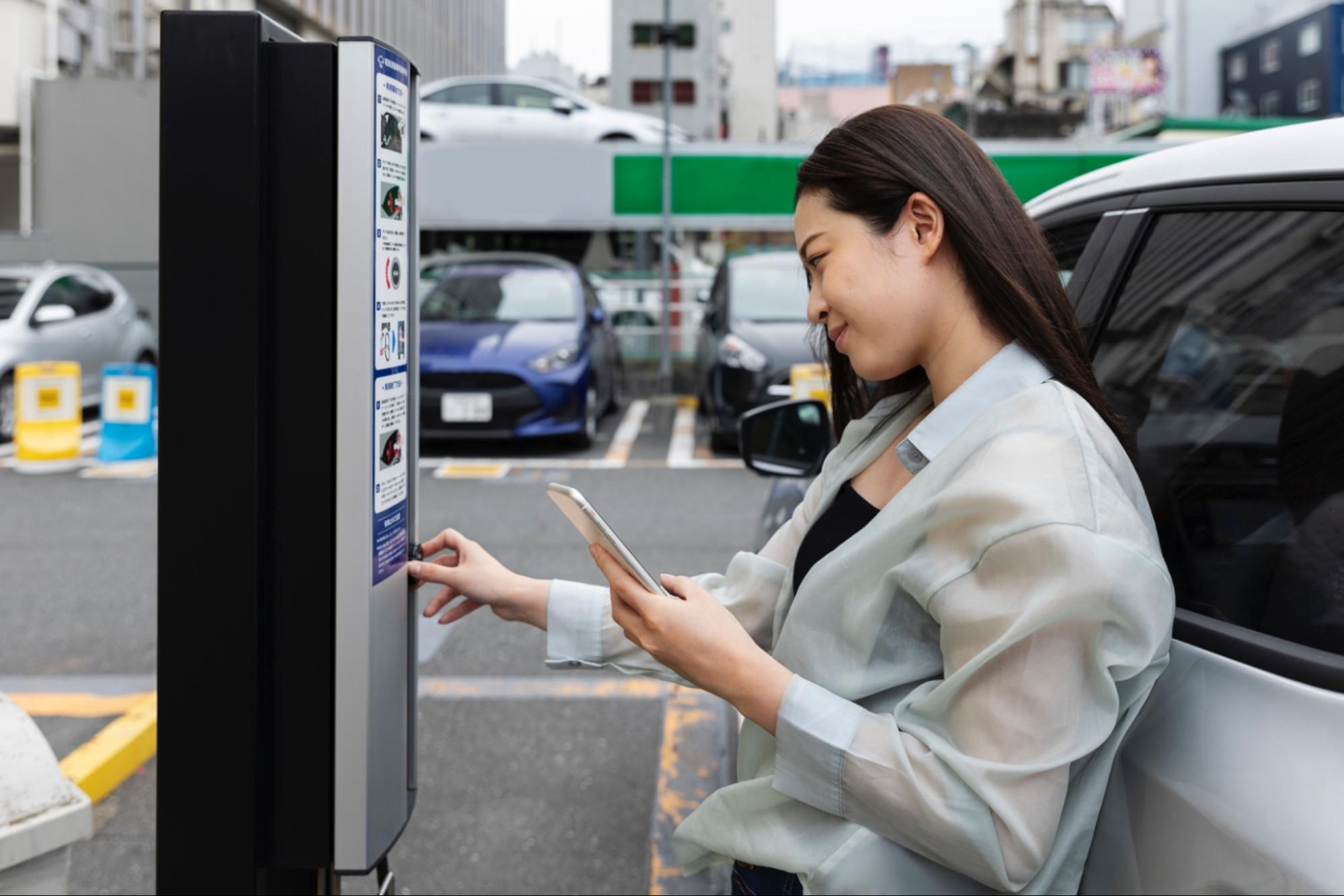
EV drivers can conveniently locate public charging points using the MyTransport.SG app, which lists availability, charger connector types, and nearby facilities.
DC Charging for EVs — Fast and Efficient for On-the-Go Drivers
DC, or Direct Current, chargers bypass the onboard converter and send electricity straight to the battery, cutting charging times dramatically. These chargers are best for long trips, road trips, or situations where a quick boost is needed before hitting the road.
In Singapore, DC chargers include:
• Standard DC Chargers: 50kW–100kW
• Fast DC Chargers: Up to 350kW, depending on vehicle compatibility
Charging times vary, but many EVs can reach 80% in 20–60 minutes. The IONIQ 9, for example, can add 304 km in just 15 minutes at ultra-fast chargers, making it exceptionally suited for long-haul journeys and minimising downtime on the road.
Like AC, different EV charging rates apply depending on the station and charging speed. In general, AC charging is more affordable, which is why drivers looking for the cheapest EV charging options in Singapore tend to rely on AC chargers.
Best Use Cases for DC Chargers
While AC chargers are far more common in Singapore, DC chargers exist for a very different reason: speed. Instead of topping up over several hours, DC charging can deliver a meaningful boost in 20 to 40 minutes, turning a coffee stop or rest break into enough range to keep going.
DC charging is ideal for road trips, long drives to Malaysia, or days when your schedule does not allow for slow, extended electric vehicle charging.
Charging Standards in Singapore
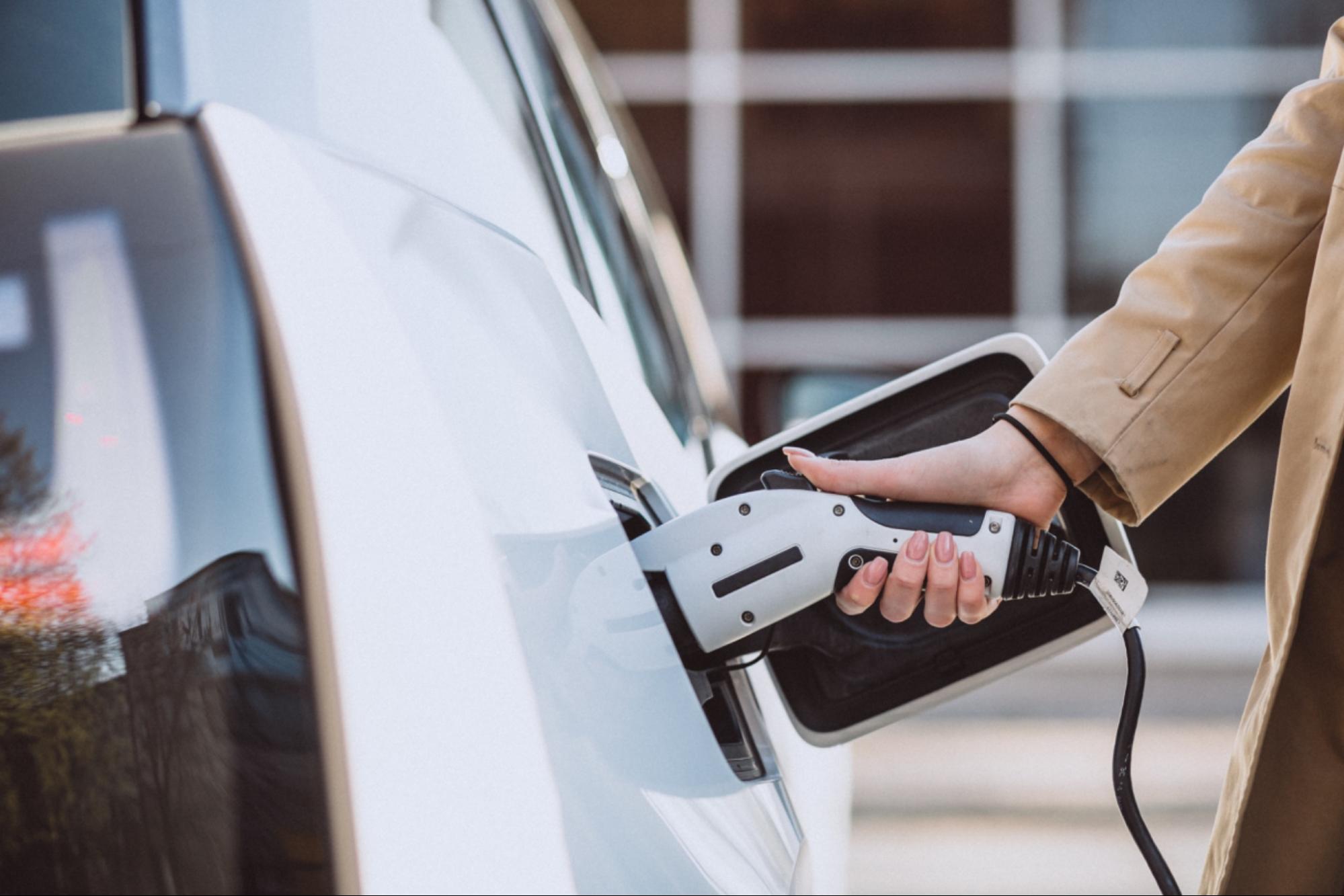
Singapore follows strict standards to keep charging simple and interoperable:
• Type 2 (AC): Standard for public AC chargers, fully compatible with Kona Electric, IONIQ 5N, and IONIQ 9.
• CCS2 (DC): Standard for DC fast chargers, used across Hyundai’s EV lineup, including the IONIQ 6.
• CHAdeMO: Older standard, mostly seen in legacy EVs.
The LTA and EMA now mandate Type 2 and CCS2 connectors for all new installations, making it easy for EV drivers to charge without worrying about compatibility.
Choosing the Right Charger for Your Needs
• Homeowners (Landed or Condo): AC chargers are affordable, practical, and easy to install. Plus, we offer free home charging solutions with every EV purchase.
• Frequent Travellers or Fleet Users: DC chargers are ideal for high-mileage users who need faster turnaround.
• Everyday Drivers in HDBs: Public AC networks are growing, thanks to the EV Common Charger Grant (ECCG) rollout.
Choosing the right charging option depends on your daily habits, travel patterns, and how much time you want to spend plugged in.
Charge Smarter, Drive Further: Experience Hyundai EVs Today
As Singapore accelerates towards a fully electrified future, understanding how your electric vehicle charges becomes just as important as how it drives. Knowing when AC charging makes sense for everyday, cost-efficient top-ups and when DC charging delivers the speed you need on the road helps you get more out of every journey.
With charging stations expanding across homes and carparks, EV ownership is becoming simpler, more flexible, and better suited to real life. The shift to electric vehicles is already happening on our roads. The next step is choosing a car that fits seamlessly into that future.
Ready to be part of this transition? Book a test drive with a Hyundai EV and get the full EV experience first-hand today.